

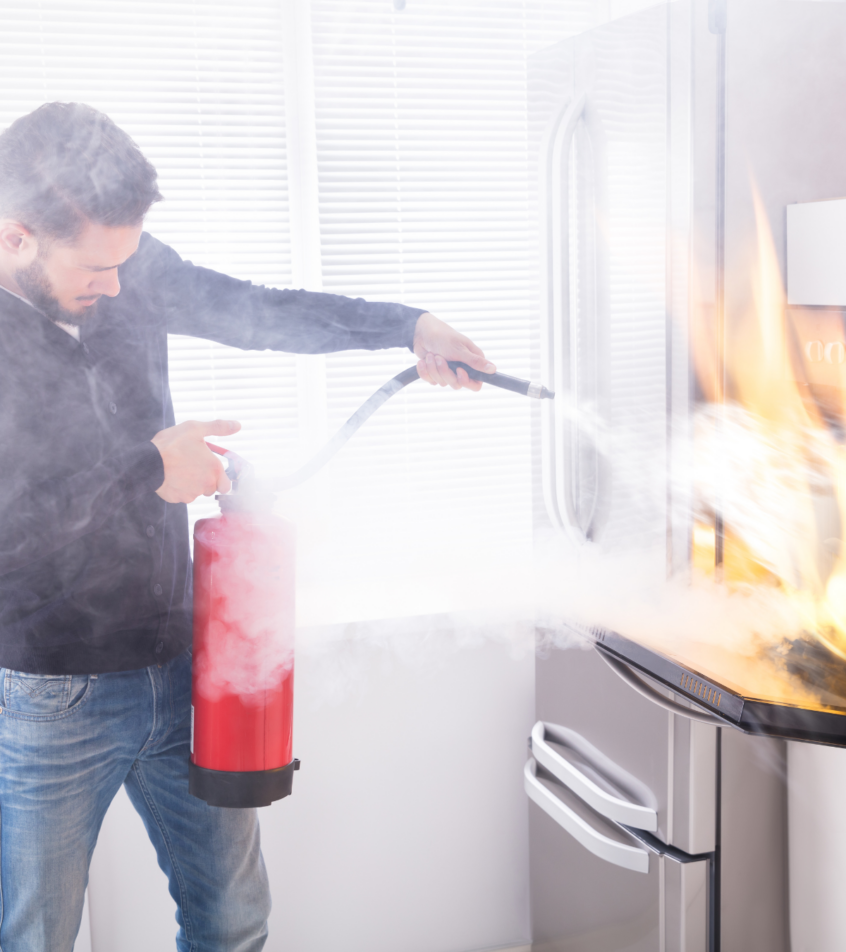
Featured image for “How Do I Put Out an Oven Fire?”

How Do I Put Out an Oven Fire?
November 16, 2023

As the holiday season approaches, kitchens become the heart of celebrations — filled with the warmth of family gatherings, the aroma of home-cooked meals, and the joy of festive baking. But with the surge in cooking activity comes a real and often overlooked risk: oven fires. Whether it’s a forgotten casserole or a grease splatter from a holiday roast, oven fires are more common than most people realize — and knowing how to respond quickly and calmly can make all the difference.

This guide will walk you through how to recognize an oven fire, respond safely, prevent future incidents, and what to do if fire or smoke damage occurs in your home.


Recognizing an Oven Fire

Before you can respond appropriately, you need to know what you’re dealing with. Common signs of an oven fire include:

  • Visible smoke pouring from the oven door or vents
  • Flames visible through the oven window
  • An unusual or burning smell — different from your food simply cooking
  • Crackling or popping sounds coming from inside the oven
  • The oven light flickering or appearing dim due to heavy smoke inside

If you notice any of these signs, act immediately but calmly. The steps below will guide you through the safest course of action.


Step-by-Step Guide to Extinguishing an Oven Fire

Step 1: Stay Calm and Assess the Situation

Panicking is the enemy of good decision-making. Take a breath and quickly assess the situation. Is the fire small and contained within the oven, or is it spreading? Your response will depend on the size and severity of the fire.

Step 2: Do NOT Open the Oven Door

This is one of the most important rules to remember. Oxygen feeds fire — opening the oven door introduces a fresh rush of air that can cause the flames to flare up dramatically. Keep the door firmly closed. A contained oven fire will often smother itself once the oxygen inside is depleted.

Step 3: Turn Off the Heat Source

Immediately turn off the oven by switching it to the “off” position. If you have a gas oven and are concerned about a gas leak in addition to the fire, turn off the gas supply at the shutoff valve. Do not attempt to move the oven or reach inside under any circumstances.

Step 4: Use Baking Soda for Small Fires (If Safe to Do So)

If the fire is very small and localized — such as a burning piece of food on the oven floor — and you need to open the oven briefly, you can carefully pour baking soda directly onto the flames. Baking soda releases carbon dioxide when heated, helping to smother small fires. Never use flour, sugar, or water, as these can make the fire worse.

Step 5: Use a Fire Extinguisher if the Fire Persists

If the fire does not go out on its own and begins to grow, use a Class K (kitchen-rated) or ABC fire extinguisher. Stand at a safe distance, aim at the base of the fire, and use a sweeping side-to-side motion. Remember the acronym PASS: Pull the pin, Aim at the base, Squeeze the handle, Sweep side to side.

Step 6: Evacuate and Call 911 if the Fire Spreads

If the fire grows beyond the oven, spreads to surrounding cabinets or surfaces, or produces heavy smoke throughout your kitchen, evacuate everyone from the home immediately. Do not stop to collect belongings. Call 911 from outside or a neighbor’s home. Never re-enter a burning building.

Step 7: Wait Until the Oven Has Fully Cooled

Once the fire is out — whether it smothered itself or was extinguished — do not open the oven for several hours. Opening it prematurely can reignite the fire by exposing still-hot materials to fresh oxygen. Let the oven cool completely before inspecting it.

Step 8: Post-Fire Cleanup and Inspection

Once fully cooled, carefully open the oven and assess the damage. Remove any burned debris and thoroughly clean the interior with an appropriate oven cleaner. Check for any visible damage to the heating elements, oven lining, or door seals. It is strongly advised that you have a qualified appliance technician inspect your oven before using it again, as internal damage may not always be visible to the naked eye.

If the fire caused smoke or fire damage to your kitchen or home, contact a professional fire and smoke damage restoration company as soon as possible.


Preventing Oven Fires During the Holidays

The best way to handle an oven fire is to prevent one from happening in the first place. The holiday season brings more cooking, more distractions, and more opportunities for something to go wrong. Here’s how to stay ahead of the risk:

Keep your oven clean. Grease buildup and food particles are the most common causes of oven fires. Clean your oven thoroughly before the holiday season begins and wipe down the interior regularly throughout.

Never leave your oven unattended. The holidays are full of distractions — guests, kids, phone calls, and conversations. Make it a rule never to leave something actively cooking without periodically checking on it. If you need to step away, use a kitchen timer.

Use properly sized cookware. Overfilling pans causes grease and food to drip onto the oven floor or heating elements, which can ignite quickly. Use pans appropriate for the amount of food you’re cooking.

Place a baking sheet under dishes that may bubble over. For pies, casseroles, or anything with a sugary or fatty filling, place a rimmed baking sheet on the rack below to catch any drips before they hit the oven floor.

Check your oven before the holidays. If your oven has been acting strangely — uneven heating, strange smells, or issues with the door seal — have it serviced before you ramp up your holiday cooking.

Keep flammable items away from the oven. Dish towels, paper, plastic bags, and even some oven mitts can catch fire if placed too close to a hot oven. Always keep your cooking area clear.

Install a smoke detector in or near your kitchen. Ensure your smoke alarms are working and have fresh batteries. A functioning smoke detector can give you the precious extra seconds needed to respond before a small fire becomes a serious emergency.


What to Do After an Oven Fire: Smoke and Fire Damage

Even a fire that’s quickly contained can leave behind significant smoke and soot damage. Smoke can penetrate walls, ceilings, and cabinets — and the residue it leaves behind is acidic, corrosive, and harmful to breathe. Here’s what to keep in mind:

  • Ventilate the area by opening windows and doors after the fire is out and the situation is safe.
  • Do not use the oven again until it has been inspected by a professional.
  • Document the damage with photos for insurance purposes before beginning any cleanup.
  • Contact a professional restoration company if there is significant smoke staining, odor, or structural damage. DIY cleanup can spread soot further and doesn’t address deep odor penetration.

Professional fire and smoke restoration teams have specialized equipment — including industrial-grade air scrubbers, thermal fogging systems, and ozone treatments — to fully restore your home to its pre-fire condition.


Frequently Asked Questions (FAQ)

Q: Should I open the oven door to throw water on an oven fire? A: No — never. Water can cause grease fires to flare up violently and can also create steam burns. It can also damage your oven’s electrical components. Keep the door closed and cut off the oxygen supply instead.

Q: What type of fire extinguisher should I have in my kitchen? A: The best options for kitchens are Class K extinguishers, which are specifically designed for cooking fires involving grease and oils, or ABC multi-purpose dry chemical extinguishers, which handle most common fire types. Make sure your extinguisher is mounted in an accessible location and that everyone in the household knows how to use it.

Q: How do I know if the fire is out if I can’t open the oven door? A: Watch through the oven window if possible. If you no longer see flames and the smoke has stopped or significantly reduced, the fire has likely gone out. Continue to wait with the door closed until the oven has cooled completely — this can take two to four hours.

Q: Can a self-cleaning oven cycle cause a fire? A: Yes, it can. The self-cleaning cycle heats your oven to extremely high temperatures (up to 900°F) to burn off residue. If there is a significant amount of grease or food debris, this can ignite during the cycle. Always remove large pieces of debris and avoid running the self-cleaning cycle right before a major cooking event when your oven is heavily soiled.

Q: Is it safe to use my oven after a small fire? A: Not without an inspection. Even if the fire appeared minor, it may have damaged heating elements, thermostat sensors, or the oven lining in ways that aren’t visible. Have a certified appliance technician inspect the oven before you use it again.

Q: What causes most oven fires? A: The most common causes are accumulated grease, food debris falling onto the oven floor or heating element, overfilled pans that drip, and items accidentally left inside the oven (like plastic bags or aluminum foil in the wrong place). Regular cleaning and careful food placement prevent the majority of oven fires.

Q: My oven fire produced a lot of smoke but no visible flames. Do I still need a professional inspection? A: Yes. Heavy smoke means there was a combustion event significant enough to produce it. Smoke residue can coat internal components and affect future performance. A professional inspection is the safest course of action.

Q: How quickly should I contact a restoration company after smoke damage? A: As soon as possible — ideally within 24 to 48 hours. Smoke and soot residue is acidic and begins damaging surfaces quickly. The longer it sits, the harder it is to remediate and the more extensive the damage can become.

Q: Does homeowner’s insurance cover oven fires? A: In most cases, yes. Standard homeowner’s insurance policies typically cover fire damage, including oven fires. Contact your insurance company as soon as possible after an incident, document all damage with photos, and avoid throwing anything away until the adjuster has assessed the situation.

Q: What should I do if I smell smoke but don’t see a fire? A: Turn off the oven immediately and do not open the door. Ventilate the kitchen by opening windows. If the smell is strong or you suspect the fire is inside the walls or behind the appliance, evacuate and call 911. A hidden fire can spread quickly before it becomes visible.


Elite Restoration Is Here to Help

We understand that dealing with the aftermath of an oven fire — even a small one — can be stressful and overwhelming, especially during the holidays. That’s why the team at Elite Restoration is here to help you every step of the way with professional fire and smoke damage restoration services.

If needed, Elite Restoration is here to help! We offer fire & smoke damage restoration services in Twin FallsBoiseBellevuePocatelloIdaho FallsMeridian,  and Burley, Idaho.

If you’ve experienced fire or smoke damage, don’t wait. Contact Elite Restoration today for a fast, professional assessment.