
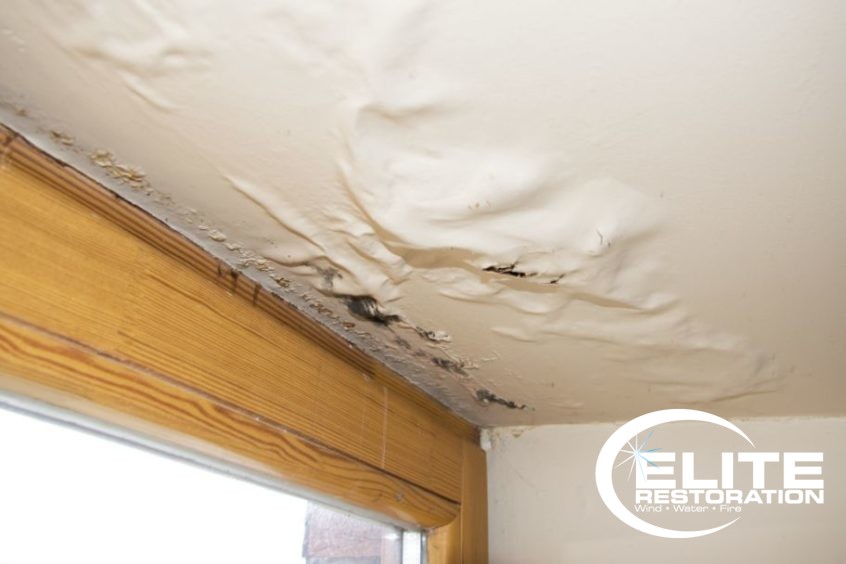
Featured image for “10 Common Causes of Water Damage in Homes and How to Prevent Them”

10 Common Causes of Water Damage in Homes and How to Prevent Them
March 15, 2024

10 Common Causes of Water Damage for Idaho Homeowners — And How to Prevent Them

Updated: April 2026 | Originally published: March 2024

Key takeaways:

  • Idaho’s freeze-thaw cycles, irrigation canals, Snake River floodplains, and high-desert wind events create water damage risks that most generic guides don’t address.
  • Many of the most expensive water damage incidents in Magic Valley, Treasure Valley, and eastern Idaho homes are preventable with seasonal maintenance.
  • When water damage does occur, acting within the first 24–48 hours is critical to prevent mold and structural damage.

Water damage is one of the most common — and costly — problems facing homeowners across Idaho. Whether you’re in Twin Falls, Burley, Pocatello, Boise, Meridian, or Idaho Falls, water doesn’t discriminate. It moves fast, hides inside walls and under floors, and can turn a minor incident into a major restoration project within hours.

What makes Idaho unique is the combination of factors at play: hard winters with deep freezes, spring snowmelt that strains drainage systems, irrigation canals running through and around residential neighborhoods, and high-desert wind events that stress roofs and siding year-round. Generic water damage advice often misses these regional realities.

This updated guide covers the ten most common causes of water damage we see in Idaho homes — along with prevention tips specific to our climate and geography. If water damage has already struck, our team at Elite Restoration is available 24/7 across all of our Idaho service areas.


1. Frozen and Burst Pipes

Burst pipes are the single most destructive water damage event we respond to throughout Idaho winters. When water inside a pipe freezes, it expands with tremendous force — enough to split copper, PVC, and even steel pipes. The real damage often comes not from the freeze itself, but from the thaw: water rushes out of the crack all at once, sometimes into walls and ceilings where it goes undetected for hours.

Why it hits Idaho hard: Temperatures across the Magic Valley and eastern Idaho regularly drop to single digits in January and February. Older homes — and many newer ones — have pipes running through uninsulated crawl spaces, exterior walls, and attached garages that aren’t climate-controlled. In Pocatello and the higher elevations around Bellevue, extended cold snaps can last weeks, putting sustained pressure on any vulnerable pipe.

Prevention tips:

  • Insulate pipes in crawl spaces, exterior walls, garages, and attics before the first hard freeze (typically November in most Idaho service areas).
  • Let faucets drip slightly during overnight lows below 20°F.
  • Know where your main shut-off valve is located — turning it off quickly after a burst can save tens of thousands of dollars in damage.
  • If you’re leaving for a winter vacation, keep your thermostat set to at least 55°F and have a neighbor check in.

2. Plumbing Leaks

Plumbing leaks are a slow-burn version of water damage — often invisible until they’ve been causing structural damage and mold growth for weeks or months. They originate from burst pipes, leaky faucet connections, deteriorating supply lines under sinks, or worn hose connections behind appliances.

Why it hits Idaho hard: Many homes throughout Burley, Twin Falls, and the surrounding Magic Valley area rely on well water, which tends to be hard — high in dissolved minerals like calcium and magnesium. Hard water accelerates corrosion in pipes and appliance connections, shortening the life of supply lines, hose fittings, and water heater tanks. Homes built in the 1970s–1990s with older galvanized plumbing are especially vulnerable.

Prevention tips:

  • Inspect supply lines under sinks and behind toilets annually. Replace any that show discoloration, cracking, or bulging.
  • Consider installing a whole-home water softener if your well water tests high for hardness — it extends the life of every plumbing fixture in the house.
  • Install a smart leak detection sensor under sinks, near water heaters, and behind washing machines. These devices cost under $50 and can alert you via your phone the moment moisture is detected.

3. Roof Leaks

A failing roof is an invitation for water damage throughout your home’s interior — staining ceilings, saturating insulation, rotting structural framing, and creating ideal conditions for mold growth. Roof leaks often start small, at flashing seams around chimneys or skylights, and grow gradually before any interior sign appears.

Why it hits Idaho hard: The Magic Valley is one of the windiest corridors in the Northwest. Wind events frequently exceed 50 mph, stripping shingles, lifting flashing, and depositing debris that holds moisture against the roof surface. In the Twin Falls and Burley areas, a single storm can compromise a roof that appeared fine the day before. Winter ice dams — formed when heat escapes through the roof and melts snow that refreezes at the eaves — are also common at higher elevations and can force water back under shingles.

Prevention tips:

  • Schedule a professional roof inspection every spring after winter storms, and again in fall before snow season.
  • Keep gutters clear of debris, especially cottonwood seeds in late spring and leaves in October — clogged gutters cause water to back up under the first course of shingles.
  • Look for missing or curled shingles after any significant wind event. Early repairs are far cheaper than interior water damage.
  • Add proper attic insulation and ventilation to reduce ice dam formation.

4. Basement and Foundation Flooding

Basement flooding can happen suddenly from a single heavy rain event, or gradually from chronic groundwater intrusion through foundation cracks and porous concrete. Either way, water in a basement creates an immediate mold risk and can damage HVAC systems, water heaters, stored belongings, and finished living space.

Why it hits Idaho hard: Spring snowmelt is a major driver of basement flooding across southern Idaho. As weeks of accumulated snowpack melts rapidly — sometimes combined with spring rainstorms — drainage systems and soil become saturated. Homes near irrigation canals in the Burley, Twin Falls, and Jerome areas can see groundwater levels rise dramatically during the April–June melt and irrigation season. Additionally, many Idaho homes were built before modern waterproofing standards, leaving foundations with limited protection against sustained ground saturation.

Prevention tips:

  • Ensure the grade around your home’s foundation slopes away from the structure — at least 6 inches of drop over the first 10 feet.
  • Install a sump pump in your basement if you don’t have one. Add a battery backup so it operates during the power outages that often accompany major storm events.
  • Inspect foundation walls annually for cracks. Even hairline cracks can admit significant water under hydrostatic pressure.
  • If you live near an irrigation canal or in a known flood-prone area, contact your county for local flood zone maps and consider flood insurance — standard homeowners policies do not cover flood damage.

5. Appliance Failures

Washing machines, dishwashers, refrigerators with ice makers, and water heaters are all connected to pressurized water supply lines. When a hose fails or an appliance malfunctions, the results can be severe — pressurized supply lines can release dozens of gallons per minute before anyone notices.

Why it hits Idaho hard: As mentioned above, hard water from Idaho wells accelerates wear on appliance hoses and internal components. The rubber supply hoses that come standard with washing machines have a typical lifespan of 5 years — but hard water can shorten that significantly. Water heaters in Magic Valley homes often fail earlier than their rated lifespan for the same reason, and a failing water heater tank can release 40–80 gallons all at once.

Prevention tips:

  • Replace washing machine hoses every 3–5 years, or immediately switch to braided stainless steel hoses, which are far more durable.
  • Check the age of your water heater. Most last 8–12 years; if yours is older, have it inspected and consider proactive replacement before it fails.
  • Install a water shut-off valve behind your washing machine that can be quickly turned off if a hose bursts.
  • Never run the dishwasher or washing machine when you’re away from home for an extended period.

6. Clogged Drains and Sewage Backups

Clogged drains cause water to back up into sinks, tubs, and toilets, damaging floors and cabinetry. Sewage backups — where municipal sewer lines push effluent backward into a home — are a more severe version of the same problem, and they introduce dangerous pathogens that require professional decontamination.

Why it hits Idaho hard: Older municipal sewer infrastructure in communities like downtown Burley and parts of Twin Falls can struggle to handle volume during heavy spring rain events, increasing the risk of sewer backups into basements. Tree root intrusion into older clay sewer lines is also common in established Idaho neighborhoods, where mature cottonwood and elm root systems are extensive.

Prevention tips:

  • Avoid pouring grease, food scraps, or wipes (even “flushable” ones) down drains.
  • Have older sewer lines scoped with a camera every few years, especially if your home was built before 1990 and the sewer line has never been inspected.
  • Install a backflow preventer on your main sewer line if you’re in an area prone to municipal sewer backups — your local plumber can advise.
  • If sewage does back up into your home, do not attempt cleanup yourself. Sewage contains Category 3 (black water) contamination that requires certified professional remediation.

7. HVAC System Malfunctions

Air conditioning systems remove humidity from indoor air — and all of that moisture has to go somewhere. It drains through a condensate line. When that line becomes clogged with algae or debris, water backs up and overflows the drain pan, dripping into ceilings, walls, and attic spaces before anyone notices.

Why it hits Idaho hard: While Idaho’s climate is generally dry, summer humidity spikes during monsoon-influenced weather patterns in July and August. AC systems work harder during these periods, producing more condensate. Evaporative coolers (swamp coolers) — common in drier parts of southern Idaho — introduce their own water damage risk if distribution pads or pump lines crack or leak.

Prevention tips:

  • Schedule annual HVAC maintenance that includes flushing the condensate drain line before cooling season.
  • Pour a small amount of diluted bleach or vinegar down the condensate drain periodically during summer to prevent algae buildup.
  • Check the drain pan under your air handler annually. Any standing water in the pan is a warning sign.
  • If you use an evaporative cooler, inspect the water distribution system at the start of each season before running it for the first time.

8. Window and Door Seal Failures

Failed window and door seals are a slow and often overlooked source of water intrusion. Water penetrates around frames during rain events, saturating window sills, migrating into wall cavities, and promoting mold growth that may not be detected for months.

Why it hits Idaho hard: Magic Valley wind-driven rain is uniquely effective at forcing water through compromised window and door seals. Unlike still-air rain, wind-driven precipitation hits siding and frames at horizontal angles, finding any gap in caulk or flashing. Repeated freeze-thaw cycling also breaks down exterior caulk faster than in milder climates — a seal that looks intact in October may have cracked and separated by March.

Prevention tips:

  • Inspect all exterior window and door caulk every spring. Remove and replace any sections that are cracked, peeling, or separated from the frame.
  • Check window sills after rain events for any sign of moisture. Early detection prevents water from traveling into the wall cavity.
  • Replace worn door sweeps and weatherstripping on exterior doors.
  • Make sure window flashing above frames is properly installed and sealed, especially on the windward side of your home.

9. Poor Drainage and Irrigation System Leaks

Irrigation systems are a significant source of water damage risk in Idaho — both underground line failures that saturate foundations, and above-ground system failures that introduce water directly into homes. Poor yard drainage compounds the problem, causing water to pool against foundations rather than drain away.

Why it hits Idaho hard: Irrigation is a way of life across southern Idaho, and most homes in the region have pressurized sprinkler systems. These systems run under pressure for months each season, and any crack, failed coupling, or broken head can deliver a large volume of water directly against a foundation or into a crawl space. A broken sprinkler line left running overnight can release hundreds of gallons before anyone notices — a scenario we respond to regularly across the Magic Valley.

Prevention tips:

  • Inspect your entire irrigation system at the start of each season before activating it. Walk the entire perimeter while it’s running to check for broken heads, leaking couplings, or spray directed at your home’s foundation.
  • Check that all sprinkler heads adjacent to the foundation spray away from the house, not toward it.
  • Winterize your irrigation system every fall — blow out all lines with compressed air before the first hard freeze. Un-winterized lines crack and fail underground, causing slow leaks that may not surface until the following spring.
  • Have a plumber inspect your crawl space annually if you live in an area with active irrigation nearby.

10. Natural Flooding and Stormwater Overflow

Flash flooding, overflowing waterways, and overwhelmed stormwater systems can introduce large volumes of water into homes with very little warning. This type of flooding carries the highest contamination risk — floodwater from storms and overflowing waterways is classified as Category 3 (black water) and requires professional remediation.

Why it hits Idaho hard: The Snake River corridor through Twin Falls, Burley, and the broader region can experience significant flooding during high snowmelt years, particularly in late April and May. Low-lying areas adjacent to the Snake River Plain are especially vulnerable. Flash floods from intense summer thunderstorms — increasingly common during monsoon moisture events — can overwhelm culverts and drainage in rural areas around Cassia County and Power County very quickly.

Prevention tips:

  • Know your property’s flood zone designation. FEMA flood maps are available at msc.fema.gov and your county assessor’s office. Properties in designated flood zones should have flood insurance — standard homeowners policies do not cover rising water from natural flooding.
  • If a storm is forecast, move valuables out of basements and off ground-level floors, and check that your sump pump is operational.
  • Keep storm drains near your property clear of debris before major rain events.
  • If you live near the Snake River or a secondary canal, sign up for local emergency alerts through your county to receive early warning of flood watches and warnings.

What to Do If You Already Have Water Damage

Prevention is always the goal — but when water damage happens anyway, the speed of your response determines how much of your home is salvageable. Here’s what to do in the first hour:

  1. Stop the source. Shut off your main water valve if the source is a broken pipe or appliance. For roof leaks, move valuables away from the affected area and contain water with buckets and towels.
  2. Disconnect electricity in the affected area if there’s any risk of water contact with electrical outlets or panels.
  3. Call Elite Restoration immediately. Water begins damaging structural materials and promoting mold growth within hours. Our teams are available 24/7 and typically on-site within 60 minutes throughout our Idaho service areas.
  4. Document the damage with photos and video before any cleanup begins, for your insurance claim.
  5. Do not use a household vacuum or fan to attempt drying. Fans can spread contamination, and household vacuums can’t extract water from subfloor materials or wall cavities.

Elite Restoration Serves All of Southern and Eastern Idaho

Our IICRC-certified technicians respond 24 hours a day, 7 days a week to water damage emergencies across:

We work directly with your insurance company, and our thermal imaging technology lets us find moisture behind walls that standard inspection methods miss — ensuring your home is completely dry before we close out any job.


Frequently Asked Questions

How common is water damage in Twin Falls and the Magic Valley? Water damage is the most frequent type of property damage claim we handle across southern Idaho. Burst pipes during winter freezes and basement flooding during spring snowmelt are the two most common triggers. We respond to calls in the Magic Valley region year-round.

Does homeowners insurance cover water damage from irrigation canals? Generally no — standard homeowners policies cover sudden and accidental water damage (like a burst pipe) but exclude flooding from external water sources including irrigation canals, overflowing rivers, and rising groundwater. Flood insurance through the National Flood Insurance Program (NFIP) covers these scenarios. Contact your insurance agent to understand your specific coverage.

How quickly does mold grow after water damage in Idaho? Mold can begin to develop within 24–48 hours of a moisture event under the right conditions. Idaho’s generally dry climate provides some advantage over humid coastal areas, but heated interiors maintain enough humidity for mold to establish in wet wall cavities and under flooring quickly. This is why calling a restoration company immediately — not after the weekend — is so important.

What’s the difference between water mitigation and water restoration? Mitigation is the emergency phase: stopping the damage, extracting water, and drying affected materials. Restoration is the repair phase: replacing drywall, flooring, and other materials that couldn’t be salvaged. Elite Restoration handles both phases, which simplifies the insurance and construction process for homeowners.

Who do I call for water damage restoration in Burley or Twin Falls at 2 a.m.? Elite Restoration. We answer 24/7, including nights, weekends, and holidays. Our typical on-site response time across the Magic Valley is under one hour from your call.


Elite Restoration has served Idaho homeowners and businesses for over 40 years. We are IICRC certified, fully insured, and licensed. Contact us today for a free estimate or emergency response.